
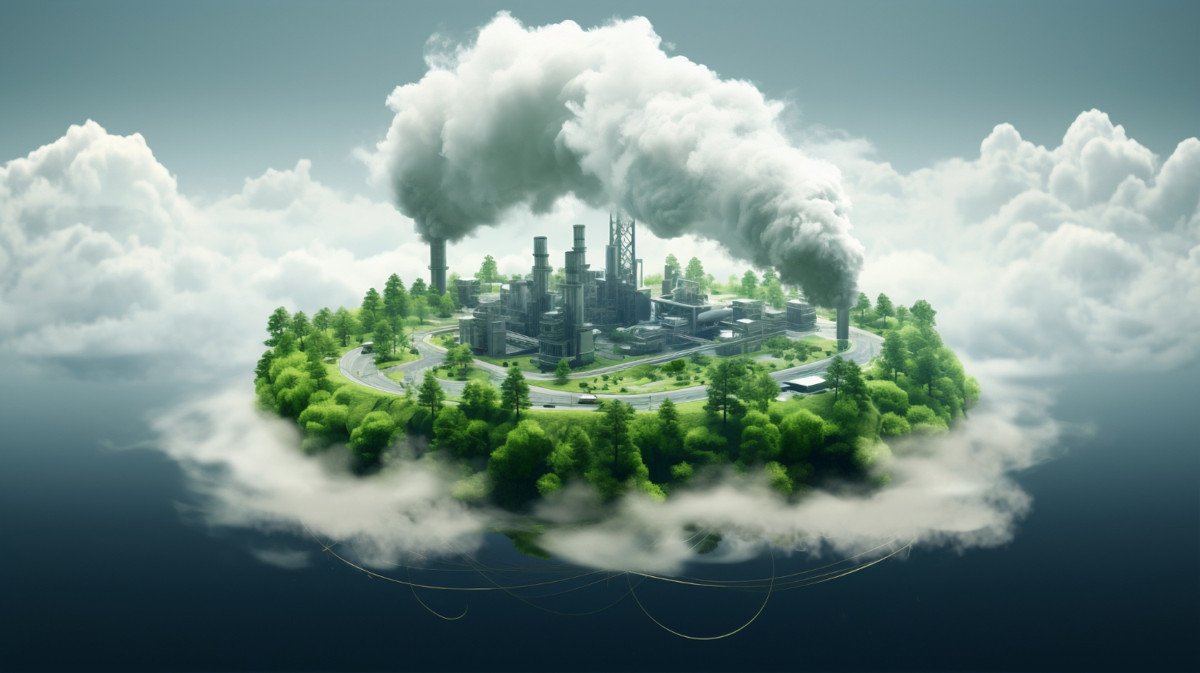
In an era where cities are growing at an unprecedented rate, urban areas face a double-edged sword of rising temperatures and deteriorating air quality. The concrete jungles we inhabit act as heat islands, trapping warmth and amplifying the effects of climate change. Simultaneously, the air we breathe becomes more polluted due to emissions from vehicles, industries, and other anthropogenic activities. Amidst this urban chaos, a beacon of hope lies in Nature-based Solutions (NbS) – A promising approach to combat these challenges while strengthening a harmonious coexistence with the environment.
The Essence of Nature-based solutions
Nature-based solutions are a wide range of strategies that leverage natural processes and ecosystems to address such challenges. These solutions prioritize sustainable practices, enhancing biodiversity, and utilizing ecosystem services to improve urban living conditions. Whether planting trees to shade streets or creating wetlands to filter pollutants, NbS offers a comprehensive approach to mitigate urban heat and air pollution while addressing climate resilience, biodiversity loss, and water management.
Cooling the Urban Heat Islands
Urban heat islands (UHIs) are a significant concern in cities worldwide. When vegetation is replaced with asphalt and concrete, the surface temperatures rise, making the heatwaves more severe. Here, nature-based solutions can play a transformative role.
- Urban Greening: Planting trees, creating green roofs and green walls can significantly reduce urban temperatures. Trees provide shade, reduce surface and air temperatures through evapotranspiration, and absorb carbon dioxide. Studies have shown that urban areas with ample green cover can be several degrees cooler than their barren and concrete jungle.
- Parks and Green Spaces: Creating urban parks not only provides a respite from the heat but also offers recreational spaces for communities. These green spaces act as natural air conditioners, improving the microclimate and reducing the heat island effect.
- Green Infrastructure: Integrating green elements into urban planning, such as green walls and permeable pavements, can enhance thermal comfort and reduce energy consumption for cooling buildings.
Purifying the Air We Breathe
Air pollution poses a severe threat to human health and well-being. Nature-based solutions can help purify the air by absorbing pollutants and providing cleaner air for urban dwellers.
- Urban Forests: Expanding urban forests and planting diverse tree species can absorb particulate matter (PM2.5 and PM10), nitrogen dioxide, and sulfur dioxide. Trees act as natural air filters, improving air quality and reducing respiratory ailments.
- Green Belts and Buffer Zones: Establishing green belts around industrial areas and highways can serve as buffers, trapping pollutants before they reach residential zones. These green corridors also support biodiversity and enhance the ecological connectivity of urban areas.
- Wetlands and Water Bodies: Restoring wetlands and creating artificial water bodies can improve air quality by sequestering carbon and capturing airborne pollutants. These ecosystems provide habitat for wildlife and contribute to urban biodiversity.
Beyond Mitigation: Embracing Co-Benefits
The beauty of nature-based solutions lies in their co-benefits. They do not merely address urban heat and air pollution; they also enhance urban resilience, improve mental health, and foster social cohesion. Green spaces provide recreational opportunities, improve aesthetic value, and increase property prices. They promote physical activity, reduce stress, and offer a sense of well-being to urban residents.
Furthermore, NbS contribute to climate adaptation by managing stormwater, reducing flood risks, and conserving water resources. They create habitats for pollinators, supporting biodiversity in urban landscapes. By embracing nature-based solutions, cities can move towards a sustainable and resilient future, where human and ecological systems thrive in harmony.
Challenges and the Way Forward
While the potential of nature-based solutions is immense, implementing them on a large scale presents challenges. Urban planning must prioritize green infrastructure, and policymakers need to integrate NbS into development frameworks. Collaboration between governments, communities, and stakeholders is essential to overcome barriers related to funding, land use, and maintenance.
Education and awareness play a crucial role in garnering public support for nature-based initiatives. By engaging communities and fostering a sense of ownership, cities can create a culture of sustainability and stewardship.
Conclusion
As urban areas continue to grow, the need for innovative and sustainable solutions becomes increasingly urgent. Nature-based solutions offer a path forward—a path that embraces the wisdom of nature to mitigate urban heat and air pollution while enhancing the quality of life for urban residents. By integrating green infrastructure, restoring ecosystems, and fostering a connection with nature, cities can transform into thriving, resilient environments where people and nature coexist harmoniously.
In the face of climate change and urbanization, let us look to nature as our ally, embracing its potential to create cooler, cleaner, more livable and breathable cities. Nature-based solutions are not just a way forward; they reflect our dedication to building a sustainable and prosperous future for the generations to come.