
Groundwater, the hidden reservoir beneath our feet, is a lifeline for billions of people around the world. It plays a critical role in sustaining ecosystems, supporting agriculture, and providing drinking water. However, this vital resource is under threat, and the looming shadow of climate change only exacerbates the problem. Understanding the interplay between groundwater and climate change is crucial for ensuring a sustainable future.
The Importance of Groundwater
Groundwater is the largest source of fresh water on the planet, accounting for about 30% of the world’s fresh water supply. It serves as a buffer during times of drought, maintaining river flows and supporting wetlands and ecosystems when surface water is scarce. Groundwater is also essential for agriculture, with many crops depending on it for irrigation. In many regions, it is the primary source of drinking water, making it indispensable for human survival and well-being.
The Depletion Dilemma
Despite its importance, groundwater is being depleted at an alarming rate. Over-extraction for agriculture, industry, and urban development has led to a significant drop in groundwater levels worldwide. In many places, aquifers are being pumped faster than they can naturally recharge, leading to social and environmental crisis.
The depletion of groundwater has far-reaching consequences. It can lead to land subsidence, which damages infrastructure and increases flood risk. It also reduces the water available for ecosystems, leading to habitat loss and decreased biodiversity. As water levels drop, wells can run dry, forcing communities to seek alternative, often more expensive water sources.
Climate Change: A Growing Threat
Climate change adds another layer of complexity to the groundwater crisis. Changes in precipitation patterns, increased evaporation rates, and more frequent and intense droughts all impact groundwater recharge. As surface water becomes less reliable, there is increased pressure on groundwater resources to meet the demands of agriculture and urban areas.
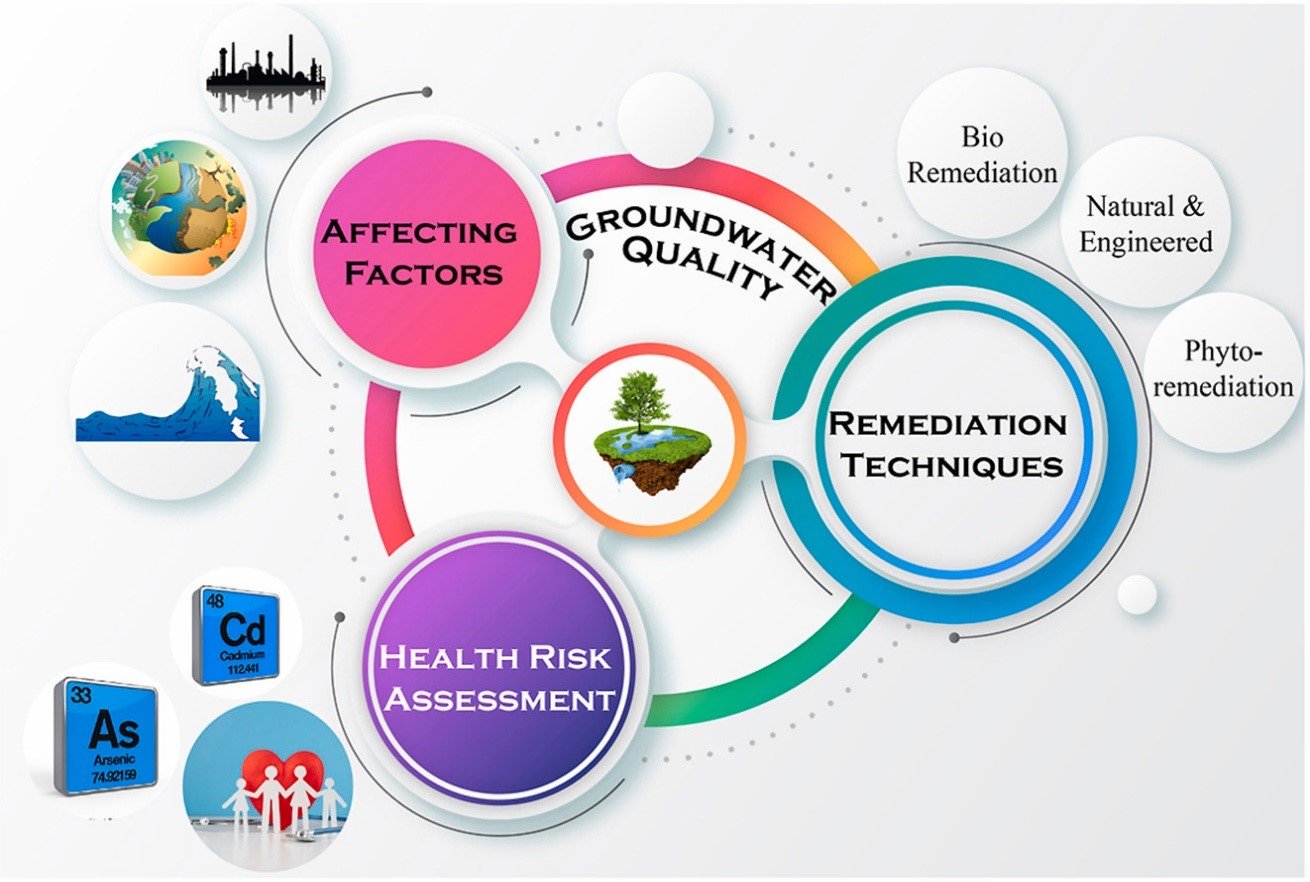
Rising temperatures also affect the quality of groundwater. Warmer conditions can increase the concentration of pollutants and pathogens in aquifers, posing risks to human health and ecosystems. Furthermore, sea level rise can lead to saltwater intrusion into coastal aquifers, rendering them unusable for drinking or irrigation.
Future Impacts: A Call to Action
The future impacts of groundwater depletion and climate change are dire but not inevitable. If current trends continue, billions of people could face water scarcity, leading to conflicts over resources and mass migrations. Agriculture, which relies heavily on groundwater, could see reduced yields, threatening food security and livelihoods.
However, there is hope. By taking action now, we can mitigate these impacts and ensure a sustainable future for groundwater resources.
Strategies for Sustainability
Sustainable groundwater management requires a multifaceted approach. Here are some key strategies:
- Efficient Water Use: Implementing water-saving technologies and practices in agriculture, industry, and households can reduce demand and preserve groundwater reserves.
- Recharge Enhancement: Artificial recharge techniques, such as rainwater harvesting and managed aquifer recharge, can help replenish groundwater supplies.
- Policy and Governance: Strong policies and regulations are needed to manage groundwater extraction and protect this vital resource. This includes setting extraction limits and encouraging water-efficient practices.
- Education and Awareness: Raising awareness about the importance of groundwater and the threats it faces can inspire individuals and communities to take action.
- Monitoring and Research: Improved monitoring and research can enhance our understanding of groundwater systems and inform better management decisions.
A Path Forward
The connection between groundwater and climate change is a critical issue that demands our attention. By recognizing the value of groundwater and taking proactive steps to manage it sustainably, we can ensure that this precious resource continues to support life on Earth. The time to act is now, before the well runs dry.
Groundwater is more than just water beneath the soil—it is the fo1undation of life, the keeper of ecosystems, and a guardian against the unpredictability of climate change. As we move forward, let us work together to protect this invisible but invaluable resource for generations to come.